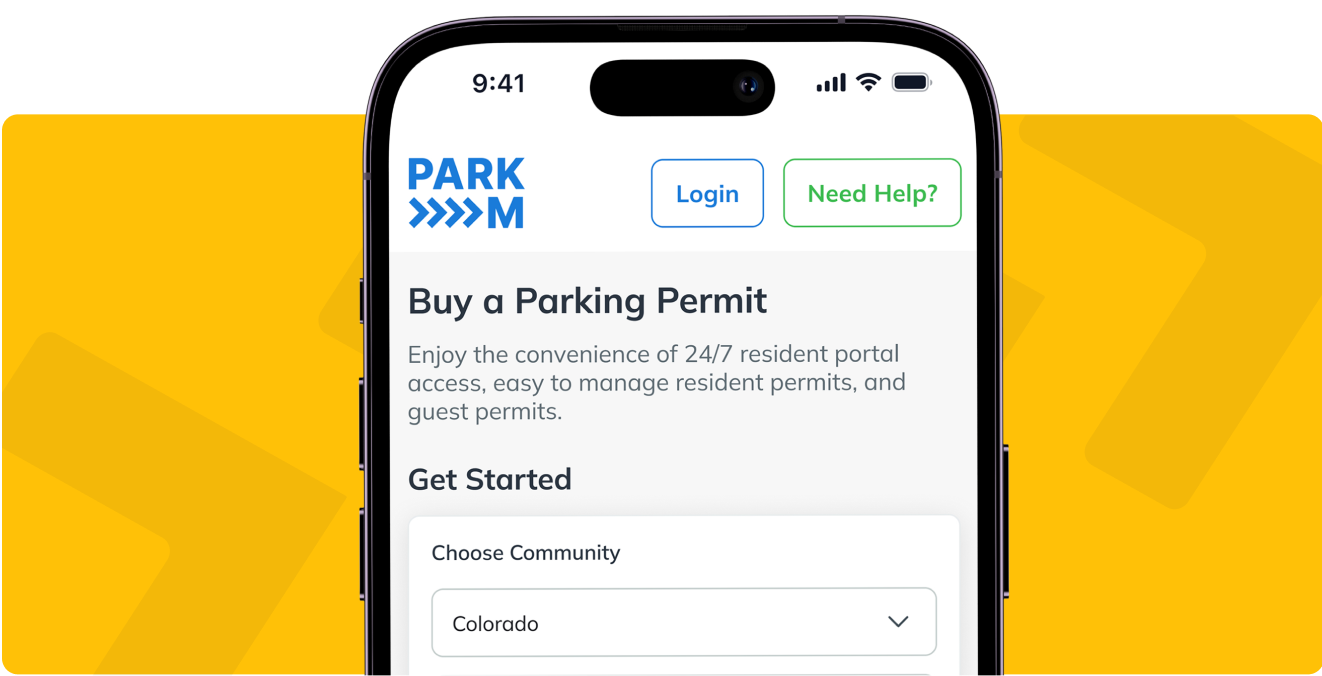
Customizable Permit Options for Florida Communities
Florida’s multifamily residential areas, ranging from the vibrant streets of Miami to the peaceful shores of the Gulf Coast, require dynamic and adaptable parking solutions for apartments. ParkM specializes in Florida multifamily parking solutions that cater to the diverse needs of these communities. Our customizable options ensure that every apartment community, regardless of size or location, has a tailored parking management system.
Florida towing law: what’s on you, and what’s on the tow company
Florida puts its private property towing rules in a single statute, Florida Statutes 715.07, and most of its paragraphs bind the tow company rather than you. Two duties are yours, though: deciding who may order a tow, and posting the sign at your entrance. A property that improperly causes a tow owes the driver the towing and storage costs, any damages, attorney’s fees, and court costs (715.07(4)). So it pays to know both halves, including the half your tow company has to get right.
Who may order a tow
The property owner or lessee, or a person they authorize, may have an unauthorized vehicle removed. For a condominium, that person can be the association’s designated representative (715.07(2)). The removal must be done by someone regularly in the business of towing.
The tow-away sign, and the 24 hours before the first tow
Before a single tow, the property posts a notice that meets 715.07(2)(a)5:
- At each driveway access or curb cut, within 10 feet of the road. Where there are no curbs or access barriers, at least one sign for every 25 feet of lot frontage.
- The words “tow-away zone” in letters at least 4 inches high, between 3 and 6 feet above the ground.
- A statement that unauthorized vehicles will be towed at the owner’s expense, in light-reflective letters at least 2 inches high on a contrasting background.
- The name and current phone number of the towing company.
- Permanently installed and in place for at least 24 hours before removing any vehicle.
Your city or county may require a permit and an inspection of these signs before any tow is authorized, and local governments can add their own rules, rates included (715.07(2)(a)5.e and (2)(b)). The sign isn’t needed where the driver was personally told the space is reserved and the car will be removed at their expense.
Pro Tip: The sign names your tow company and its current number. When you change tow companies, order new signs before the first tow under the new contract, and count the 24 hours from when they go up.
What your tow company owes the driver
These are the tow company’s duties, but a driver who’s angry about one will call your office first:
- Store the car within 10 miles of your lot in a county of 500,000 people or more, or within 15 miles in a smaller county. The storage site is open from 8 a.m. to 6 p.m. on every day the company tows.
- Tell the city police, or the sheriff outside city limits, within 30 minutes after the tow.
- Stop when the owner turns up mid-tow, and hand the car back for no more than half the posted towing rate.
- Release a stored car within 1 hour of the request, without asking the owner to sign away claims for damage.
- File its rates with local law enforcement, and post those rates and any written towing contracts with property owners at the storage site.
That last one means your towing contract ends up on a wall a resident can read. Write it accordingly.
Where Florida properties get caught
- Taking money for the right to tow. No one may pay or accept money or anything of value for the privilege of towing from a particular location (715.07(2)(a)4). It’s a third-degree felony under 715.07(5)(b). If a tow company offers your property anything for the account, turn it down.
- An out-of-date sign. The sign must name the firm and include a current number, so an old sign from a previous tow company leaves you towing under a notice that no longer fits.
- No record of who said yes. Keep a note of who authorized each tow and why. If a driver says the tow was improper, that note is the first thing your office will be asked for.
Everything above comes from 715.07 in the 2026 Florida Statutes, as of October 2026. Treat it as a starting checklist, not legal advice, and ask counsel about your own lot.
Where ParkM fits in a Florida community
Florida statutes govern how a tow happens. Whether a given car should be towed comes down to your permit list, and wrongful tows often start when that list lags behind a resident’s payment.
- Permits go live the moment they’re purchased. Residents buy and manage theirs online, and guests can buy their own or have a resident buy one for them, at any hour, with no app to download.
- Plate checks run on a phone. ParkM’s enforcement portal has built-in license plate recognition (LPR), so nothing gets installed on your lot, and each permit record shows your tow partner the plate and the last six digits of the VIN.
- Each enforcement action carries a timestamp and a record, so when a driver disputes a tow, your office has the facts in front of it.
- You decide how long a guest can stay. Set guest permit limits per day and a cap on consecutive days, and a visitor’s permit can’t stretch into a second resident car.
Your Florida tow partner stays your contract, on your terms, and ParkM doesn’t tow or step into that relationship. What ParkM adds is the list of authorized plates they work from. The launch’s 10 standard parking signs point people to permits; the reflective “tow-away zone” sign is a different sign and remains the property’s to post.
If a tow does go wrong, ParkM covers the cost of a wrongful tow, plus storage fees up to 24 hours.
Running a community in one of Florida’s metros? See our pages for Orlando and Tampa. For how your tow partner and ParkM split the work, read parking enforcement services, then the terms of the no-bad-tow guarantee. Our guide to towing from private property sets Florida beside Texas, Colorado, and California. Then book a demo and see the permit list your Florida tow partner would check.
Innovative Technology for Streamlined Management
ParkM utilizes the latest technology to enhance the management of apartment parking permits. Our innovative platform provides real-time updates and automated systems, making it easy for residents to manage their parking needs with just a few clicks. This technology reduces administrative burdens and improves accuracy in resident parking permit distribution, creating a more efficient parking environment.
Boosting Resident Satisfaction
Ensuring resident satisfaction is a priority at ParkM. We recognize that convenient and efficient parking is a significant factor in the overall quality of life in multifamily settings. By implementing our advanced solutions, we help to keep resident satisfaction high by making parking access straightforward and stress-free.
Efficient Permit Management and Issuance
The management of apartment parking permits is made efficient with ParkM’s cutting-edge software solutions. Our system speeds up the permit issuance process, ensuring that residents can quickly obtain their permits without hassle. Property managers benefit from an organized and easily monitored permit system, saving time and reducing complications.
Enhancing Security and Ensuring Compliance
Security is paramount in any parking management system. ParkM’s Florida multifamily parking solutions include robust security features that monitor and protect parking areas.
Discover the ParkM Difference
Our commitment to technology, resident satisfaction, and security transforms multifamily parking management into a smooth and compliant operation across the United States. Explore how ParkM can elevate your property’s parking lot management system, meeting the unique demands of communities nationwide, including Florida’s distinct needs